

Why Bay Windows Sag
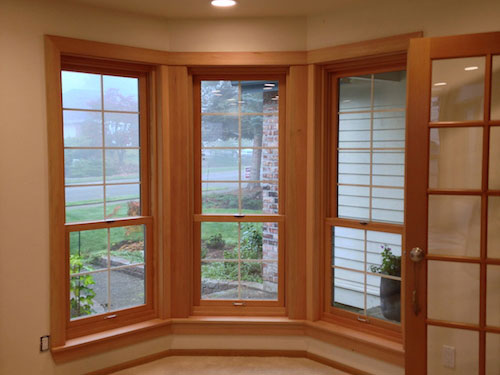
A bay window is the only window in your house with nothing underneath it
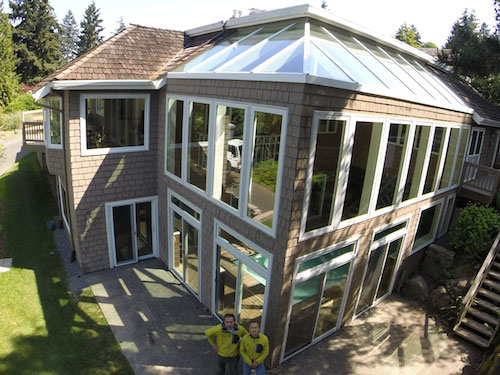
Every other window in a wall is supported by the wall. A bay window is not. It projects out past the foundation and hangs there, carrying its own weight plus the weight of the glass, the seat board, the roof above it, and whatever anyone puts on the sill.
That load has to go somewhere. In a correctly built bay it goes two ways: down through knee braces or corbels into the wall below, and up through steel cables or rods anchored into the framing above, which carry the outer edge of the unit back into the house. Many bays use both.
When a bay window sags, one of those load paths has stopped doing its job.
What the sag is usually telling you
The cables have stretched, or their anchors have pulled. On many bays the support cables are adjustable. Over decades they can loosen, or the framing they are anchored into can compress. The common sign is a bay that is level where it meets the wall and drops toward the outer corners.
The seat or head board has rotted. Bay windows have a flat or near-flat roof and a horizontal seat, and both are places water can sit. Once the structural boards soften, the unit loses the stiffness that was spreading the load. This usually shows up as staining, soft spots underfoot, or paint failing on the underside.
The roof above it has been leaking quietly. A bay roof is small, has several flashing junctions, and is often the last thing anyone looks at. Water can get into the framing rather than into the room, so there is no dramatic leak — just a slow loss of structure.
The house has moved. Less common, but a bay is stiff and the wall it hangs from is not. Settlement can show at the bay first, because the geometry exaggerates it.
How to read it before anyone quotes you
- Open and close every sash. A bay that has dropped often binds at the top corner of the outer sashes first.
- Look at the seams between the units, inside and out. Separation at the vertical joints suggests the frame is racking, not simply settling.
- Press the seat board near the outer edge. Give or softness points to rot rather than sag.
- Check the trim line where the bay meets the wall. A gap that has opened at the top is the outer edge dropping.
Replacing the glass does not fix a sag
This is the part worth understanding before you spend anything. A new window fitted into a structure that has already moved will bind, seal poorly, and fail again — and it will look as though the new window was the problem.
If the support or the structure has gone, that has to be dealt with first, and that is carpentry rather than window work.
- Units sound, structure gone — the structure is the job. A replacement window fitted into it is money spent twice.
- Structure sound, units failed — failed seals, rot in the sashes, single-pane glass. That is a straight replacement, and the bay stays where it is.
- Both gone — usually the point to price the alternatives honestly, including whether to rebuild a bay at all.
Nobody should quote a sagging bay window from a photograph. The difference between adjusting a cable and rebuilding a structure is not visible from outside, and it is the difference between a small job and a large one.
What replacing a bay actually involves
Bay replacement is not like replacing a flat window. The unit has a roof, a seat, a head, exterior trim and a structural connection, and most of those are disturbed by the work. Expect the conversation to cover the roof and flashing above it, insulation in the seat and head cavities — often the worst-insulated part of the room — and whether the original support method is being kept or replaced.
On energy: Washington caps replacement windows at a U-factor of 0.30 for vertical glazing. A bay is mostly glass and is cantilevered out into the weather, so it is one of the places that number matters most in practice. See what Washington’s code requires.
Before you call anyone
Have these ready and any competent contractor can tell you more in ten minutes than they could in an hour without them:
- When you first noticed it, and whether it has moved since.
- Photos of the outside corners, and of the trim line where the bay meets the wall.
- Whether the seat feels solid near the outer edge.
- Whether there has ever been a roof leak anywhere near it.